

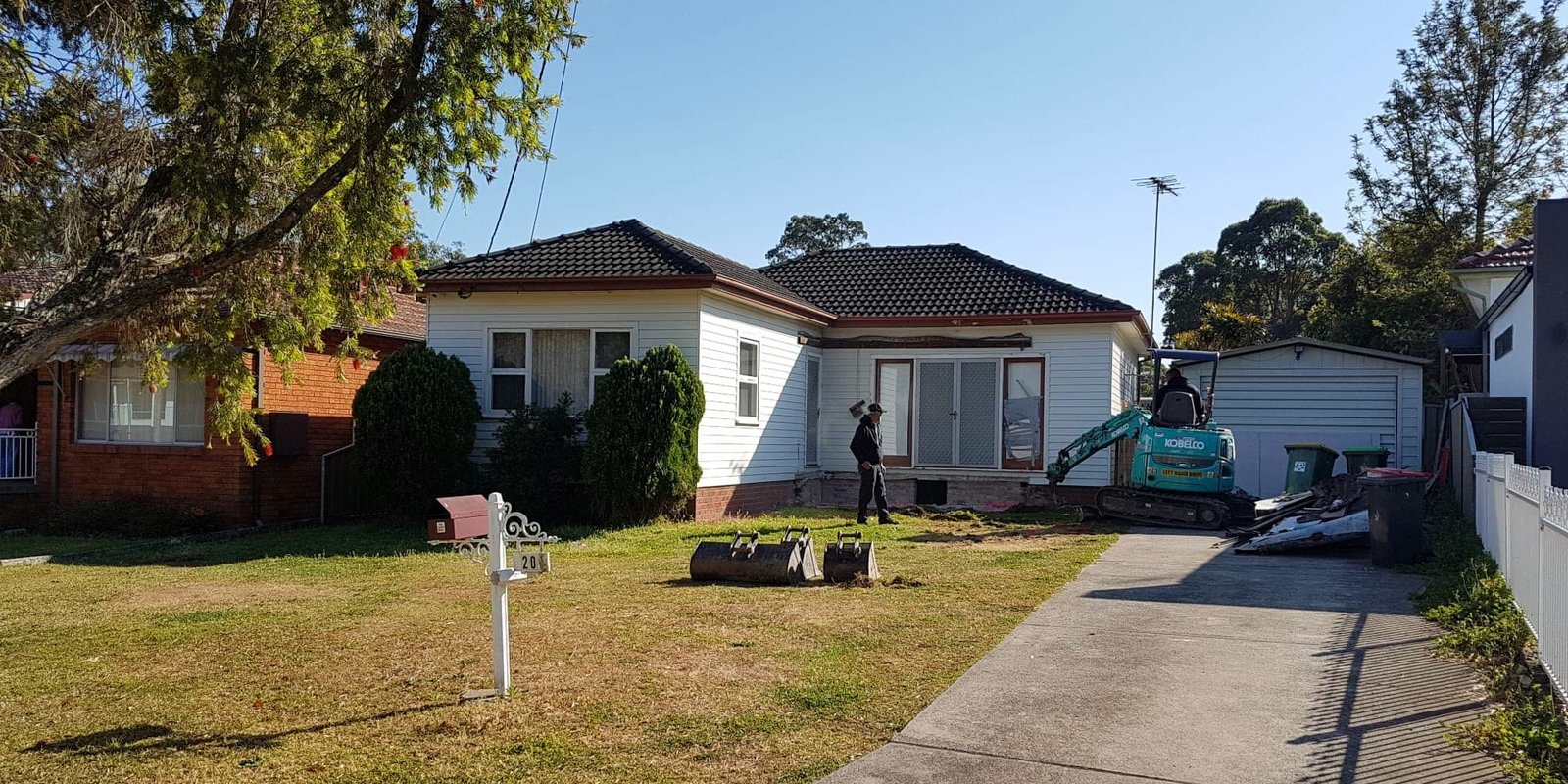

Homeowners in established Sydney suburbs tend to hit the same wall eventually. The house is ageing, the layout doesn't work for how the family actually lives now, and the question becomes whether to renovate what's there or start again from a cleared block. There isn't a universal right answer. There's a right answer for your specific house, and it usually comes down to what condition the existing structure is actually in.
Exalt Builder Pty Ltd has handled both across Western Sydney, and the honest starting point is this: the decision should be driven by an assessment of your home, not by which option sounds more appealing on a renovation show.
When renovating makes more sense
Renovating is the stronger option when the existing structure is sound and the work is really about updating, extending, or reconfiguring rather than fixing fundamental problems. If your footings, frame, and roof are in good condition and you're after a new kitchen, an extra bedroom, a second bathroom, or a first floor addition, a renovation lets you keep what's working and only pay to change what isn't.
Renovating also tends to suit homes with genuine character value, whether that's a federation-era facade, established gardens, or a streetscape where a full rebuild would look out of place. And it's usually the more budget-conscious path when the scope is genuinely limited to specific rooms or systems rather than the whole envelope of the house.
When a knockdown rebuild makes more sense
A knockdown rebuild becomes the better option once the existing structure has real problems that a renovation can't cost-effectively solve. Termite damage through the frame, a failing or undersized slab, outdated wiring and plumbing throughout, or a layout so impractical that fixing it means moving load-bearing walls anyway, are all signs pointing toward starting fresh.
It's also worth considering when your land value has grown well beyond the value of the existing house. In parts of Western Sydney where block values have risen significantly, the existing dwelling can represent a small fraction of the total property value, which makes a full rebuild a more rational use of the site than working around a structure that's holding the block back.
Cost comparison: renovation vs knockdown rebuild
These figures are broad ranges. Your actual cost depends heavily on scope, site access, and what condition your existing structure is in, but they give you a starting framework.
- Renovation: typically $2,000 to $3,500 per square metre of renovated space, depending on the scope of structural change involved. A kitchen and bathroom update sits at the lower end. Structural work like removing load-bearing walls or adding a second storey pushes toward the top of that range and beyond.
- Knockdown rebuild construction: typically $2,500 to $4,500 per square metre for a standard-to-mid spec new build in Sydney, before demolition and site works.
- Demolition: $15,000 to $40,000 depending on the size of the existing structure and whether asbestos removal is required, which is common in Sydney homes built before the mid-1980s.
- Service disconnection and reconnection: $5,000 to $20,000 to disconnect and reinstate water, sewer, electricity and gas as part of the rebuild process.
At a glance, renovation often looks cheaper per square metre. The comparison changes once a renovation scope grows large enough to require significant structural work, at which point the per square metre gap narrows and a rebuild can end up delivering more value for a similar spend.
Hidden costs people forget on both paths
Older Sydney homes, particularly anything built before 1990, frequently contain asbestos in eaves, wall sheeting, or old flooring. This affects both renovations and rebuilds, but it catches renovation budgets off guard more often, since it's discovered mid-project once walls or ceilings are opened up rather than identified upfront as part of a demolition scope.
Renovations also carry a structural surprise risk that rebuilds don't. Once you start opening up an existing house, you sometimes find the frame or footings aren't what the original plans suggested, which can turn a straightforward extension into a more involved structural job. A knockdown rebuild avoids this because you're working from a cleared site with full visibility from the start.
On the rebuild side, the main hidden cost is time. A full knockdown rebuild generally requires a development application rather than the faster complying development pathway available for many renovations and extensions, which can add months to the approval timeline before construction even begins.
How to actually decide
The honest way to answer this question is a proper structural assessment of your existing home, not a general rule of thumb. A civil engineering background is genuinely useful here, because it means the assessment looks at footings, frame condition, and load paths rather than just the surface condition of the walls and finishes.
Whether the answer ends up being a home renovation or a full custom home build, the starting point is the same, an honest look at what your current structure can and can't support. Homeowners across established suburbs like Liverpool and Bankstown, where housing stock varies significantly in age and condition, benefit most from this kind of assessment before committing to either path.
Frequently asked questions
Is it cheaper to renovate or knock down and rebuild in Sydney?
It depends on the scope. A limited renovation, such as a kitchen or bathroom update, is typically cheaper than a rebuild. Once a renovation requires significant structural work, such as removing load-bearing walls or adding a second storey, the cost per square metre gets closer to a rebuild, and a knockdown rebuild can end up delivering better long-term value for a similar budget.
How do I know if my home has structural problems?
Signs include visible cracking in walls, doors and windows that no longer close properly, sloping or bouncy floors, and damp or moisture issues that keep recurring. These can indicate footing movement, frame damage, or drainage problems. A proper structural assessment by someone with an engineering background is the only reliable way to confirm what's actually happening rather than guessing from visible symptoms.
Do I need council approval to demolish a house in NSW?
Yes. Demolition typically requires either a complying development certificate or development application, depending on the property and site. An asbestos survey is generally required before demolition approval is granted for older homes, since it affects how the demolition itself must be carried out.
How long does a knockdown rebuild take compared to a renovation?
A knockdown rebuild usually takes longer overall, often 9 to 14 months from planning through to handover once you include demolition, approvals, and construction. A renovation timeline varies enormously with scope, from a few weeks for a cosmetic update to 6 months or more for a major structural renovation or extension.
Can I stay living in my home during a renovation?
Sometimes, depending on the scope and how the work is staged. Kitchen or bathroom renovations, or extensions that don't touch existing living areas, often allow you to stay. Major structural renovations, or work affecting essential services throughout the house, usually require temporary relocation for at least part of the build. A knockdown rebuild always requires you to be out of the property for the full construction period.
If you're not sure whether your home is a renovation or a rebuild, get in touch for a proper assessment. We'll give you an honest answer based on what your structure can actually support, not what's easiest to sell you.