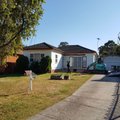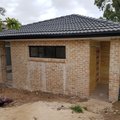



Every homeowner sitting on a decent-sized block in Sydney eventually asks the same question. Build one house and keep the block whole, or split it into a duplex and get two dwellings out of the same land. The right answer depends on your block, your budget, and what you actually want out of the project, not on which option sounds more impressive.
Exalt Builder Pty Ltd has built both across Western Sydney and the South West Growth Corridor. Here's how to work out which one makes sense for you.
What's the actual difference between a duplex and a single dwelling?
A single dwelling is one house on one title. A duplex is two attached dwellings built on the same block, usually under a single roofline but each with its own entry, services, and living space. Once built, a duplex can often be subdivided into two separate titles (Torrens title) or kept under one title with each half owned separately (community or strata title), depending on council requirements and lot size.
This matters because a duplex isn't really "one build, two homes." It's closer to two separate homes sharing a common wall, each needing its own kitchen, bathrooms, laundry, parking, and services connection. That's the biggest thing people underestimate about duplex costs.
Has NSW made it easier to build a duplex?
Yes, and this is the part most guides get wrong or leave out entirely. Since 1 July 2024, dual occupancies have been permitted with consent in R2 low density residential zones across almost all of NSW, following the state government's low and mid-rise housing reforms. Before this change, plenty of R2-zoned blocks were locked out of dual occupancy entirely because individual councils prohibited it. That's no longer the case in most local government areas.
The general benchmarks under the statewide rules are a minimum 450 square metre site area and a 12 metre frontage at the building line, though your specific council's development control plan can add its own requirements on top. Some councils still assess dual occupancies as a full development application rather than a faster complying development certificate, particularly across parts of Western Sydney, so the approval pathway isn't automatically quick just because the zoning allows it.
If you've owned a block for years and assumed a duplex wasn't an option because of council restrictions, it's worth checking again. The rules have genuinely changed.
Duplex vs single dwelling: the financial comparison
A single custom home lets you put your full budget into one build, one set of finishes, and one larger footprint. A duplex splits the same site into two smaller dwellings, which usually means a higher build cost per square metre overall, since you're duplicating kitchens, bathrooms, driveways and service connections rather than sharing them across one larger floor plan.
Where a duplex tends to win is on land value. Subdividing into two titles can unlock significantly more combined value than the site was worth as a single block, particularly in growth corridors where land is still appreciating. Two rentable or sellable dwellings also give you options a single home doesn't: live in one and rent or sell the other, sell both, or hold both as an investment.
As a rough guide, a quality duplex pair in Western Sydney typically runs from $900,000 to $1.4 million combined, all-in, depending on size, finish level, and site conditions. A comparable single custom home on the same block, built to a similar standard, often costs less overall but produces one asset instead of two.
When a single dwelling makes more sense
If your block is narrow, sits in an area with strict character or heritage controls, or simply doesn't meet the minimum frontage for dual occupancy, a single dwelling may be the only realistic option regardless of the 2024 reforms. It's also the better call if your priority is maximising space and quality for your own family rather than generating a second income stream. A 300 square metre single home on a generous block will always feel more spacious than two smaller dwellings on the same land.
Some blocks in reactive clay soil zones or sloping sites also carry higher civil engineering costs for a duplex than for a single dwelling, since you're effectively engineering two separate structures on the one footing system. A proper site assessment before you commit to either path will tell you which way the numbers actually go.
What does a duplex cost to build in Sydney?
Construction costs for a standard-to-mid spec duplex typically run $2,500 to $3,800 per square metre across the combined build, before land costs, demolition of any existing structure, and site works. On top of construction, budget for:
- Approvals: DA or CDC, BASIX assessment, engineering and surveying, typically $8,000 to $20,000 combined for a duplex given the added complexity over a single dwelling.
- Subdivision costs: If you intend to Torrens title the two halves, budget an additional $15,000 to $30,000 for surveying, legal work and council subdivision fees.
- Service duplication: Two separate water, sewer, and electrical connections rather than one, typically $10,000 to $25,000 more than a single dwelling on the same site.
Growth corridor suburbs like Camden and Oran Park are seeing strong interest in dual occupancy builds right now, both from families wanting multi-generational living and from investors chasing two rentable titles on one block.
Getting the decision right before you commit
The block you own dictates far more of this decision than any general guide can. Frontage width, zoning, soil classification, and your council's specific development control plan all shape whether a duplex actually stacks up financially against a single dwelling on your land.
With a civil engineering background behind every project, Audifax Benitez assesses your site properly before recommending either path, so the decision is based on what your block can genuinely support rather than a generic comparison. Whether that lands on a custom home build or a new home build as a duplex, the process starts with the same site assessment.
Frequently asked questions
Do I need council approval to build a duplex in NSW?
Yes. Depending on your site and council, a duplex is approved either as a complying development certificate, which is faster and assessed by a private certifier, or as a full development application through council. Most dual occupancy builds across Western Sydney currently go through the DA pathway rather than CDC, though this varies by council and site.
Can any block build a duplex now that the rules have changed?
Not automatically. Your site still needs to meet the statewide minimum requirements, generally a 450 square metre lot and 12 metre frontage in an R2 zone, and your local council's development control plan may add further conditions around setbacks, parking, and site coverage. A site assessment is the only reliable way to confirm what's possible on your specific block.
Is a duplex cheaper to build than two separate single dwellings?
Generally yes, since a duplex shares a common wall and often a common roof structure, which reduces some materials and labour costs compared with building two fully detached homes. It's still more expensive per dwelling than a single larger home, since kitchens, bathrooms, and services are duplicated rather than shared.
Can I sell one half of a duplex and keep the other?
If the duplex is subdivided into separate Torrens titles, yes, each half can be sold, rented, or held independently. If it remains under one title, both halves are tied together for sale purposes, which is an important distinction to settle before construction begins.
What's the difference between a duplex and dual occupancy?
Dual occupancy is the broader planning term for two dwellings on one lot, which can include a duplex, an attached secondary dwelling, or a detached second dwelling. A duplex specifically refers to two attached dwellings built side by side or one above the other, usually under a single roofline.
If you're weighing up a duplex against a single dwelling on your block, get in touch for a site assessment. We'll give you a straight answer on what your land actually supports before you spend anything on design.